
 INSTALLAZIONE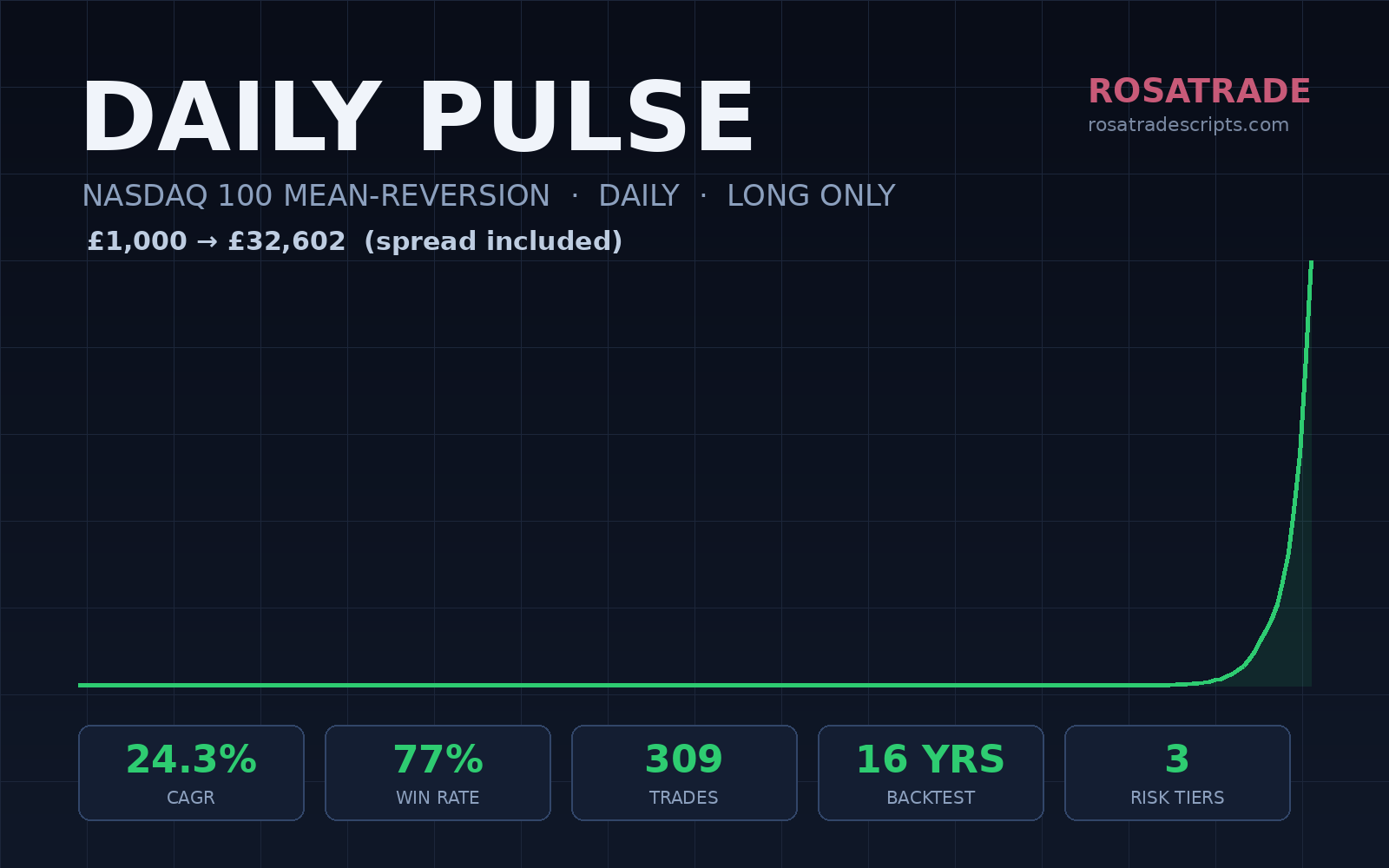
What it does
Daily Pulse trades one simple, deeply tested idea: when the Nasdaq is in an uptrend and sells off hard over a day or two, it tends to snap back. The strategy buys those dips and exits on the recovery — typically holding 3–4 days, in the market only about 31% of the time.
Entry requires price above the 200-day average (uptrend filter) and RSI(2) signalling a sharp short-term selloff. A second tranche is added at half size if the dip deepens. Exit is the snap-back — a close above the short-term average — or a time stop. Position sizing is risk-based and scales with account equity. Longs only. No martingale, no grid, no hidden logic beyond the protected signal engine.
Results (backtest, 1 Aug 2010 – 8 Jul 2026, 3.5pt spread included)
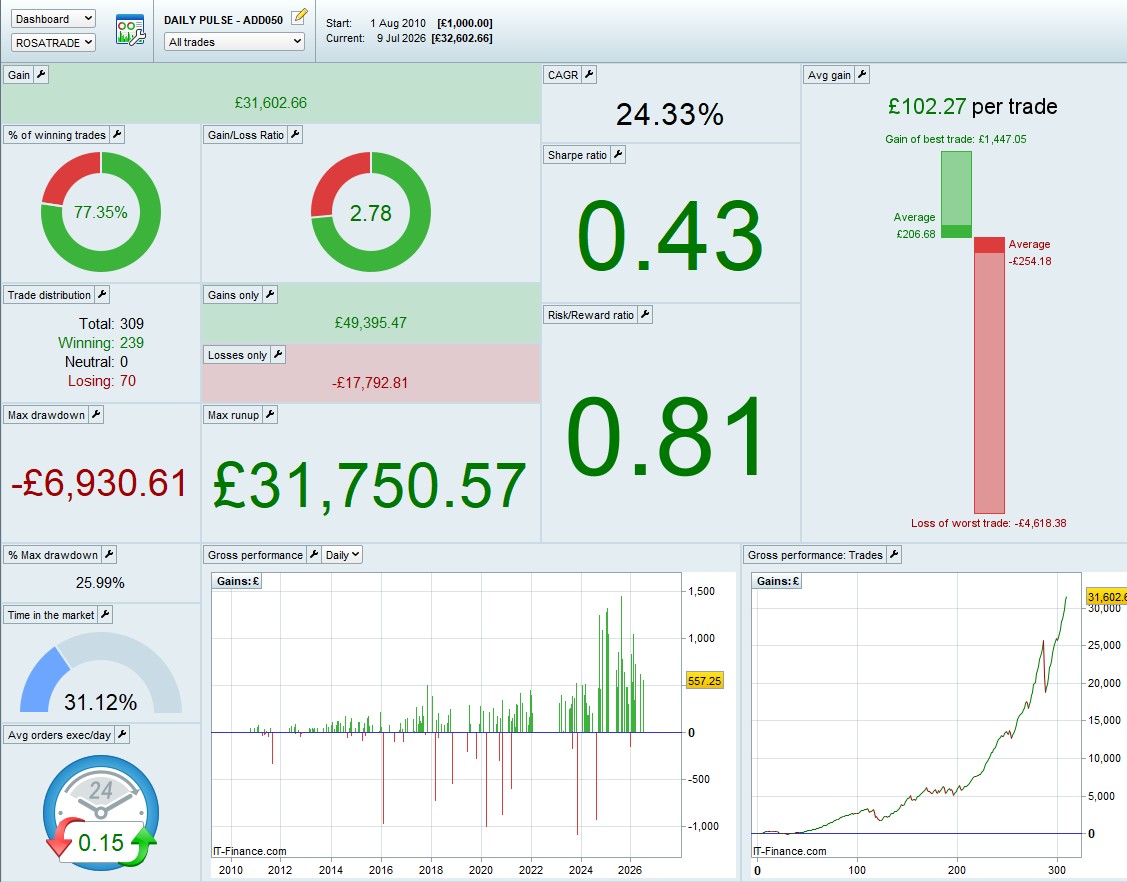
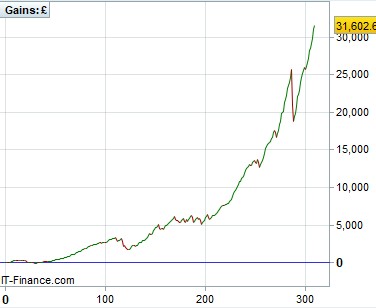
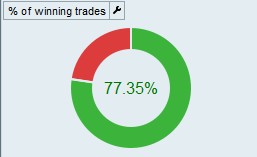
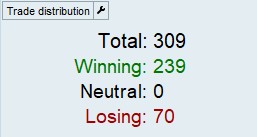
£1,000 → £33,144. CAGR 24.69%, maximum drawdown 26.43%, 310 trades, 78% win rate, gain/loss ratio 2.81, average hold 4 bars.
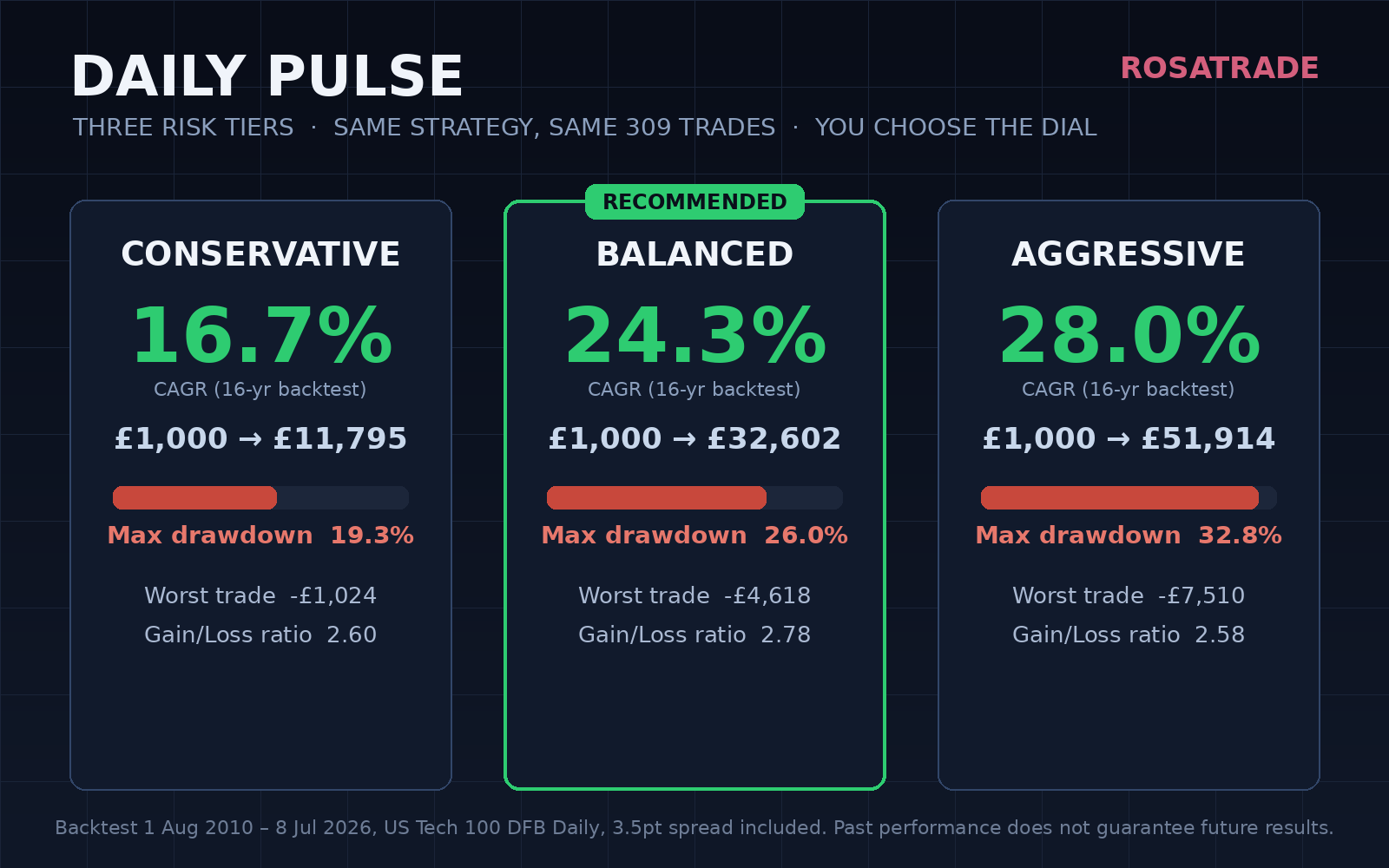
This is the Balanced configuration — the recommended tier of the Daily Pulse family. Two further configurations exist from the same signal engine: Conservative (CAGR 16.76%, max DD 19.3%) and Aggressive (CAGR 28.18%, max DD 32.83%). All three produce the same 310 trades (as of 20/07/26); only the risk sizing differs. The full three-tier edition is available at rosatradescripts.com.
Honest disclosure — read before buying
The drawdown figure above is real and includes the early-2026 correction. It is structural to this edge: the strategy buys falling markets, and occasionally a dip becomes a crash before the exit triggers. During development, seven different protective mechanisms (stops, entry filters, velocity gates, time-stop variants) were tested to reduce the maximum drawdown. All seven were rejected because each destroyed more profit than drawdown — the losing trades are not separable from the winning ones at entry. Risk sizing trades return for drawdown; nothing removes the risk.
This is a long-only strategy on a single instrument. It will have losing months and flat periods. Expected frequency is roughly 20 trades per year. Win rate is high but average losses are larger than average wins — that is the character of mean reversion. Past performance does not guarantee future results.
What you get
The Daily Pulse strategy for ProRealTime ProOrder (protected code, single-file import — the signal engine is included inside), setup instructions for IG US Tech 100 DFB on the Daily timeframe, and the position-sizing explanation. Questions answered via marketplace messaging.
Requirements: ProRealTime with ProOrder (IG). Designed and tested on US Tech 100 DFB, Daily timeframe, CFD/spread-betting. Not tested on futures or other instruments.
Recensioni
Ancora non ci sono recensioni.